In the Java programming language, all source code is first written in plain text files ending with the .java extension. Those source files are then compiled into .class files by the java compiler. A .class file does not contain code that is native to your processor; it instead contains bytecodes — the machine language of the Java Virtual Machine1 (Java VM). The java launcher tool then runs your application with an instance of the Java Virtual Machine.

Java is currently used on a wide variety of devices. Here are a few examples:
-Desktop Applications
- Web Applications
- Mobile
-Embedded System
-Robotics
-Games etc.
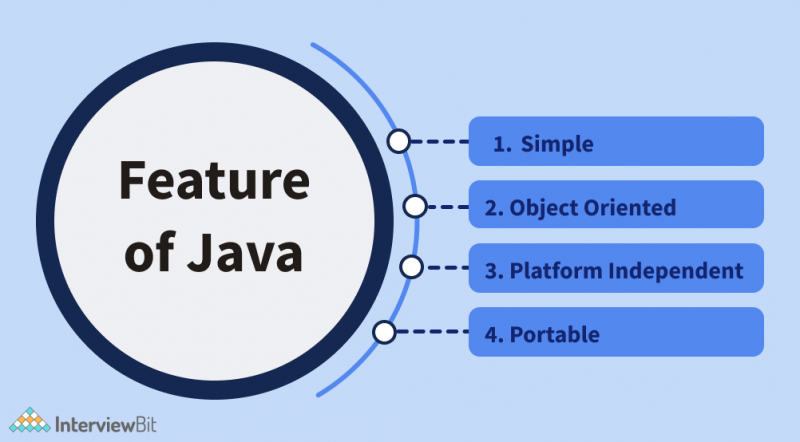
-Java is easy to learn. Java was designed to be easy to use and is therefore easy to write, compile, debug, and learn than other programming languages.
-Java is object-oriented. This allows you to create modular programs and reusable code.
-Java is platform-independent. One of the most significant advantages of Java is its ability to move easily from one computer system to another. The ability to run the same program on many different systems is crucial to World Wide Web software, and Java succeeds at this by being platform-independent at both the source and binary levels.
- KnowledgeHut (2019) Introduction to java: Java overview, Knowledgehut. Available at: https://www.knowledgehut.com/tutorials/java-tutorial/java-introduction (Accessed: December 7, 2022).
- (no date) Java.com. Available at: https://www.java.com/en/download/help/whatis_java.html (Accessed: December 7, 2022).
-(no date) Advantages of java. Available at: https://www.ibm.com/docs/en/aix/7.1?topic=monitoring-advantages-java (Accessed: December 7, 2022).
Comments
Post a Comment